
Motorway vs City Driving: What You Need to Know
Whether you’re navigating the bustling streets of Dublin or cruising on the motorway towards Cork or Limerick, how and where you drive has a meaningful impact on your car’s fuel usage, running costs and long-term wear and tear. Understanding the differences between city and motorway driving can help you choose the right car for your day-to-day needs, and make a smarter purchase if you’re shopping for a used vehicle.
Motorway vs City Driving: Why It Matters
How and where you drive affects everything from running costs to long-term reliability. A car that spends most of its life on open roads will age very differently to one that’s constantly stopping and starting in urban traffic.
Here’s a breakdown of how these two driving environments compare, how they affect your car, and what to keep in mind if your driving habits lean more one way than the other.
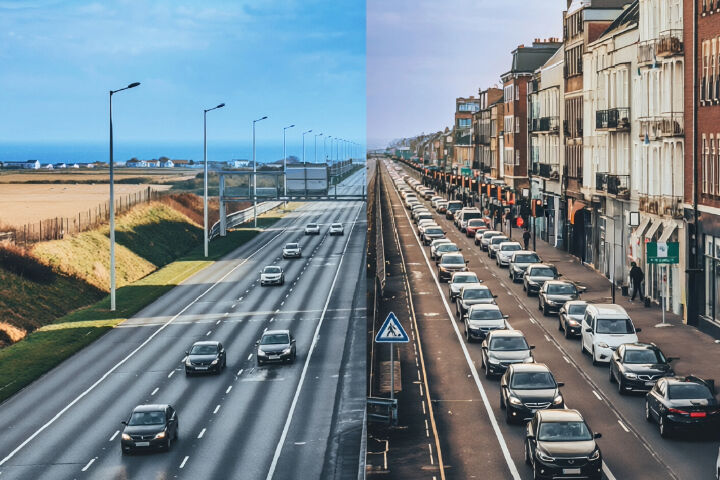
What’s the Difference Between Motorway and City Driving?
There’s a common belief that motorway driving is tougher on a car because of higher speeds and longer distances. In reality, it’s often the opposite.
City driving, with its stop-start traffic, frequent gear changes and rougher road surfaces, tends to cause more wear over time. That’s why you’ll sometimes see used cars advertised as having done “mostly motorway driving”. These kilometres are usually kinder to the engine and drivetrain thanks to steady speeds and smoother roads.

City Driving
The experience
City driving demands constant attention. Heavy traffic, cyclists, buses, pedestrians and tight parking spaces all add to the challenge, particularly in busy urban centres like Dublin, Cork or Galway.
Road conditions
Urban roads often take a beating from constant traffic. Potholes, speed ramps and uneven surfaces are common, and all of these can contribute to suspension and tyre wear.
Fuel efficiency
Despite lower speed limits, city driving is less fuel-efficient. Frequent stopping, idling in traffic and short journeys mean higher fuel consumption and fewer kilometres per tank.
Emissions and running costs
Urban driving produces more emissions due to repeated cold starts and congestion. While Ireland doesn’t currently have widespread congestion or low-emission charges, emissions regulations are tightening, and fuel costs, parking fees and tolls (such as the M50) can add up quickly. Electric and hybrid vehicles are particularly well suited to city use, offering lower running costs and reduced emissions.
Best Cars for City Driving
Smaller cars are ideal for urban life. They’re easier to park, cheaper to run and well suited to short journeys. Electric cars and hybrids are especially appealing for city drivers.
View Top Cars for City Driving

Motorway Driving
The experience
Motorway journeys, by contrast, are generally steadier and smoother. With fewer stops and long stretches of open road, driving on the motorway puts less short-term strain on the engine and drivetrain.
Road conditions
Motorways are generally better maintained than city roads, offering smoother surfaces, wider lanes and fewer hazards, all of which reduce strain on your car.
Fuel efficiency
Cars are at their most efficient when cruising at a steady speed. Motorway driving delivers the best fuel economy, particularly for diesel and hybrid vehicles, and cruise control can help maximise efficiency.
Emissions
Although speeds are higher, steady motorway driving often results in lower emissions per kilometre compared to stop-start urban journeys. Some sections may have reduced speed limits for environmental reasons, but overall it’s a cleaner option for longer trips.

Which Is Best for You?
There’s no one-size-fits-all answer, it depends on your typical driving pattern:
- Mainly urban driving? Go for compact, efficient cars that are easy to park and economical on fuel.
- Regular motorway use? Look for cars that handle steady speeds well and deliver smooth long-distance performance.
- Mixed driving habits? A hybrid or efficient petrol/electric model is often the most flexible choice.
Why It Matters
City and motorway driving put different stresses on a vehicle. Frequent stopping and starting wears brakes and clutches faster, while steady motorway cruising is gentler on mechanical components and can mean better fuel economy over time.
What About High-Kilometre Cars?
A high kilometre reading isn’t necessarily bad news. Well-maintained cars that have spent most of their life on the motorway can often be a better buy than lower-kilometre city cars that have endured years of short, stop-start trips. Regular servicing and proper care are what really matter, no matter where the car has been driven.
Whether you spend your days navigating busy city streets or covering long distances on the motorway, understanding how your driving habits affect your car can help you make smarter, more cost-effective choices. By choosing a vehicle that suits your lifestyle, and keeping up with regular servicing, you can reduce wear and tear, improve efficiency, and enjoy a more comfortable drive wherever the road takes you. Ready to find the perfect car for your driving style? Browse our current selection of city-friendly and motorway-ready vehicles on ZuCar.ie today and discover the car that fits your journey.